Operational Wilderness Dossier

Norway’s Arctic Wilderness: Svalbard, Cetaceans & Ice Shelf Ecology

A comprehensive reference resource on high-latitude polar navigation, regulated wildlife encounters, glacial dynamics, and remote fjord ecosystems across northern Norway and the Svalbard Archipelago.

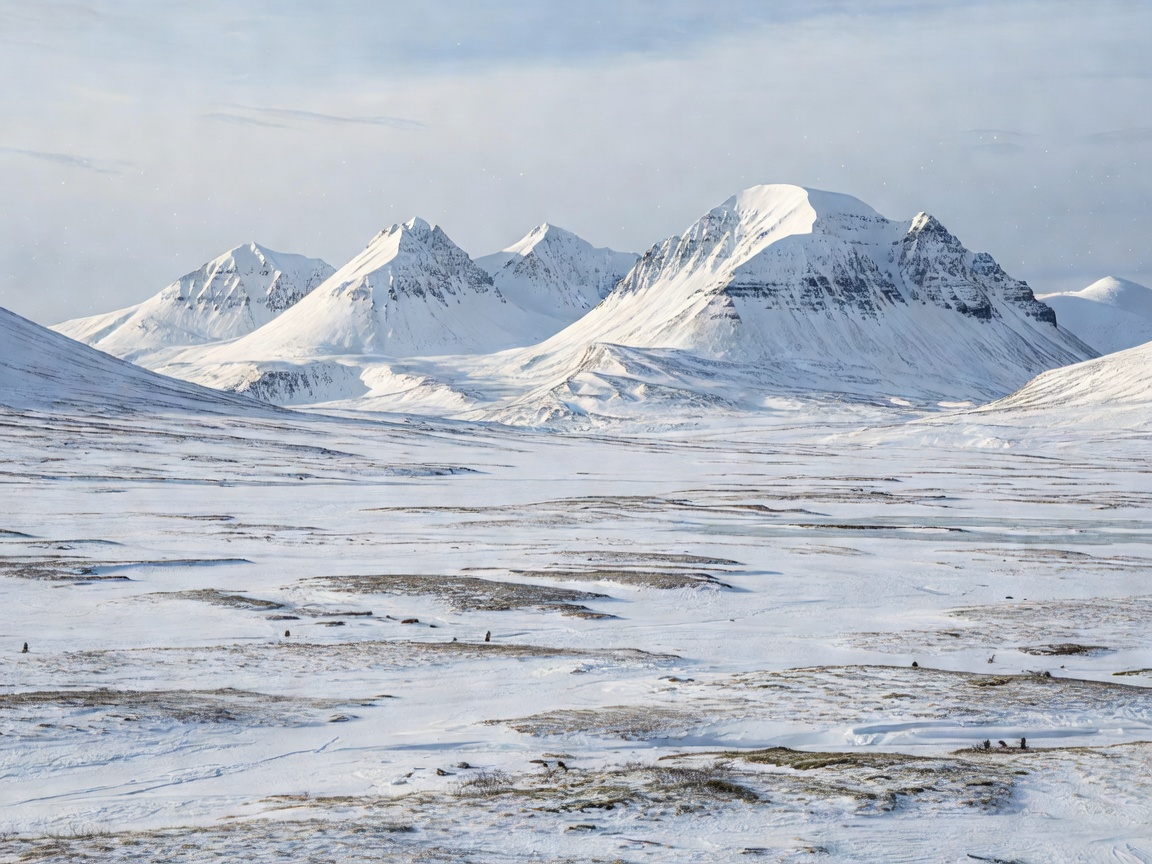
Snow covered peaks and high arctic tundra in Svalbard
78° North Expedition

Svalbard High Arctic Wilderness & Polar Night

Explore the legal frameworks, seasonal sunlight cycles, polar bear safety protocols, and ice-strengthened expedition vessel travel across Spitsbergen.

Read Svalbard Guide
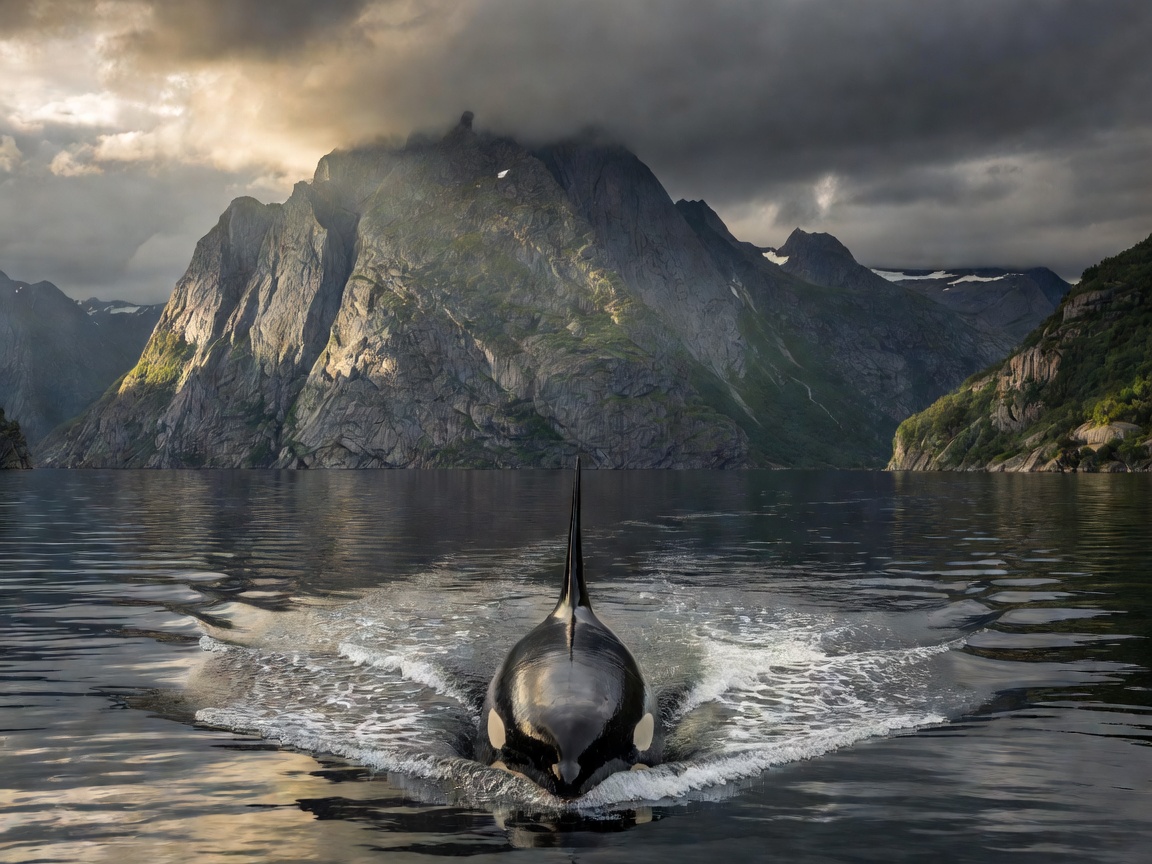
Orca dorsal fin surfacing against dramatic Norwegian fjord mountains
Marine Cetaceans

Fjord Whale Watching & Winter Herring Runs

Follow the winter herring biomass attracting pods of killer whales and humpback whales into the fjords around Tromsø and Skjervøy under the aurora.

Read Cetacean Guide
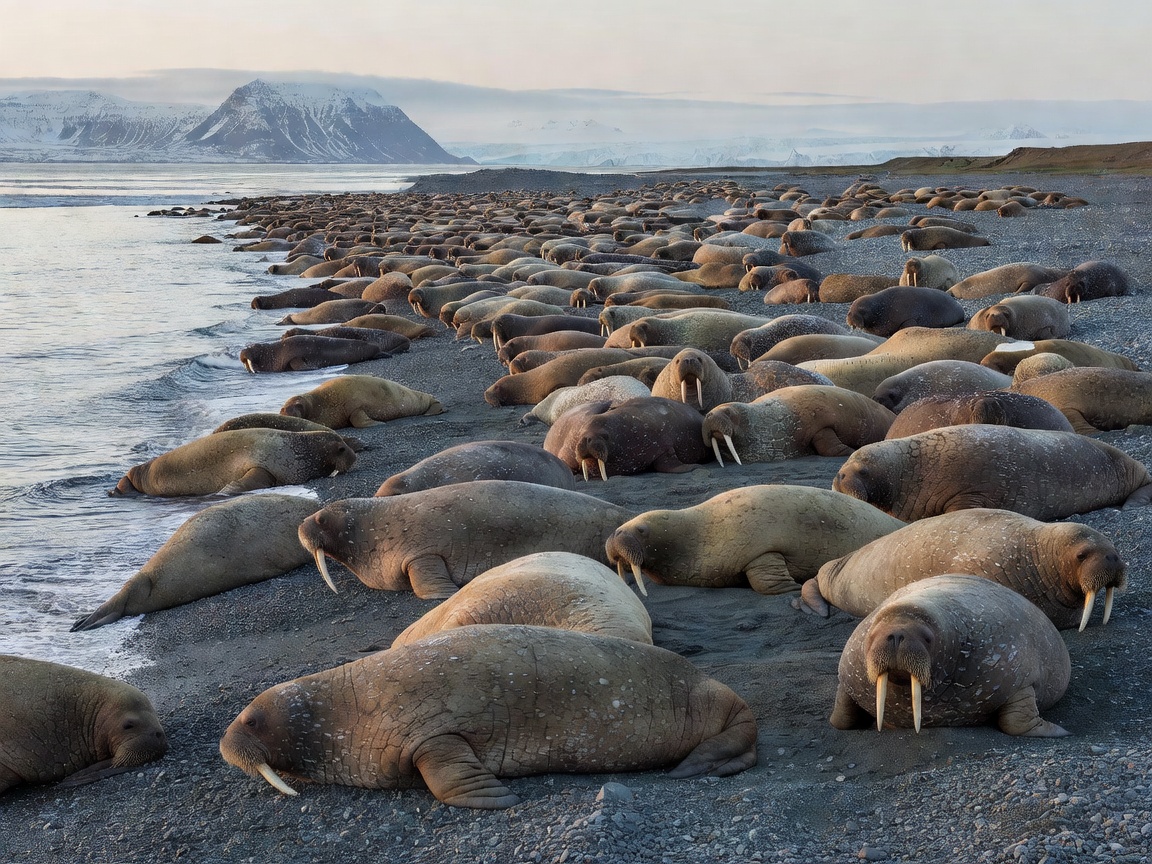
Walrus colony resting along an Arctic gravel shore
Terrestrial & Marine Fauna

Arctic Wildlife: Apex Predators & Fragile Tundra

Responsible observation guidelines for Ursus maritimus, Svalbard reindeer herds, Arctic foxes, walrus haul-outs, and colonial seabird cliffs.

Read Wildlife Guide
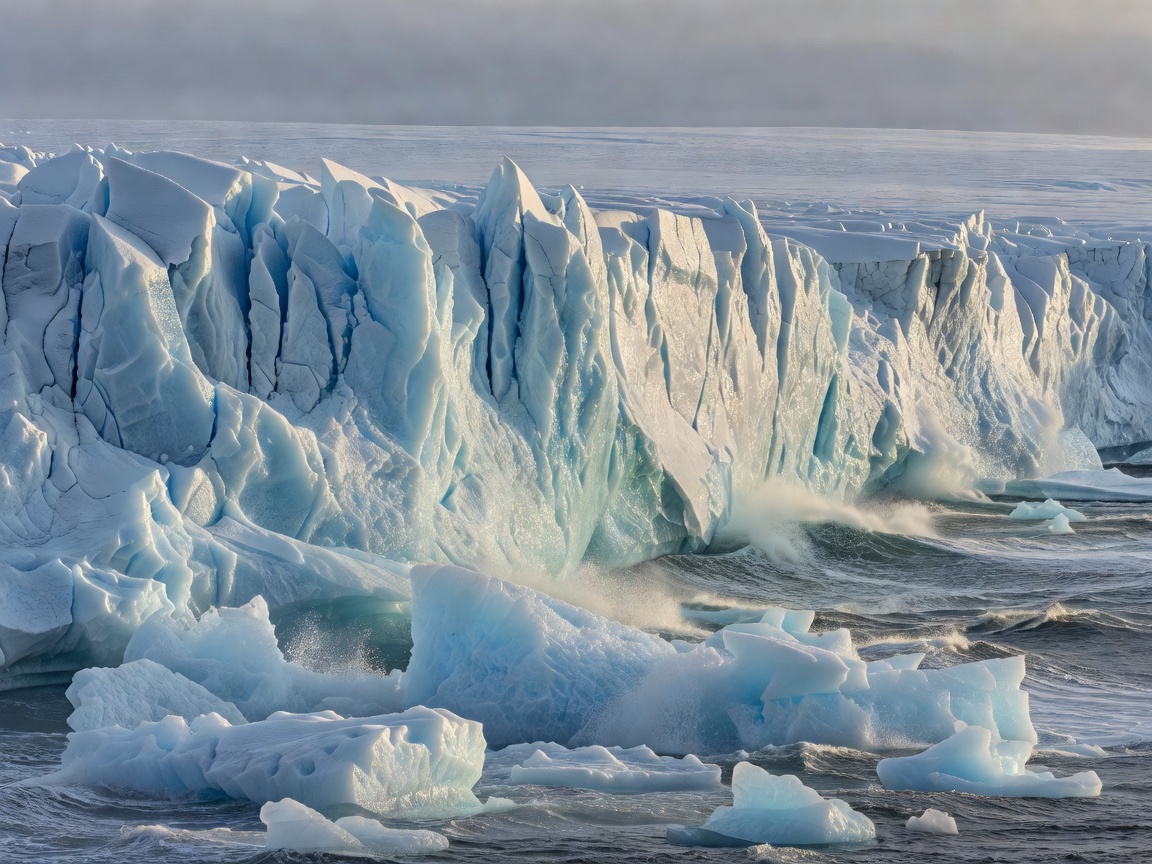
Massive glacial ice wall terminating into Arctic ocean waters
Cryosphere Formations

Glaciers, Ice Caps & Polar Sea Ice Formations

Investigate tidewater glacier dynamics, moraine morphology, and navigation risk management across Svalbard’s calving ice fronts.

Read Cryosphere Guide
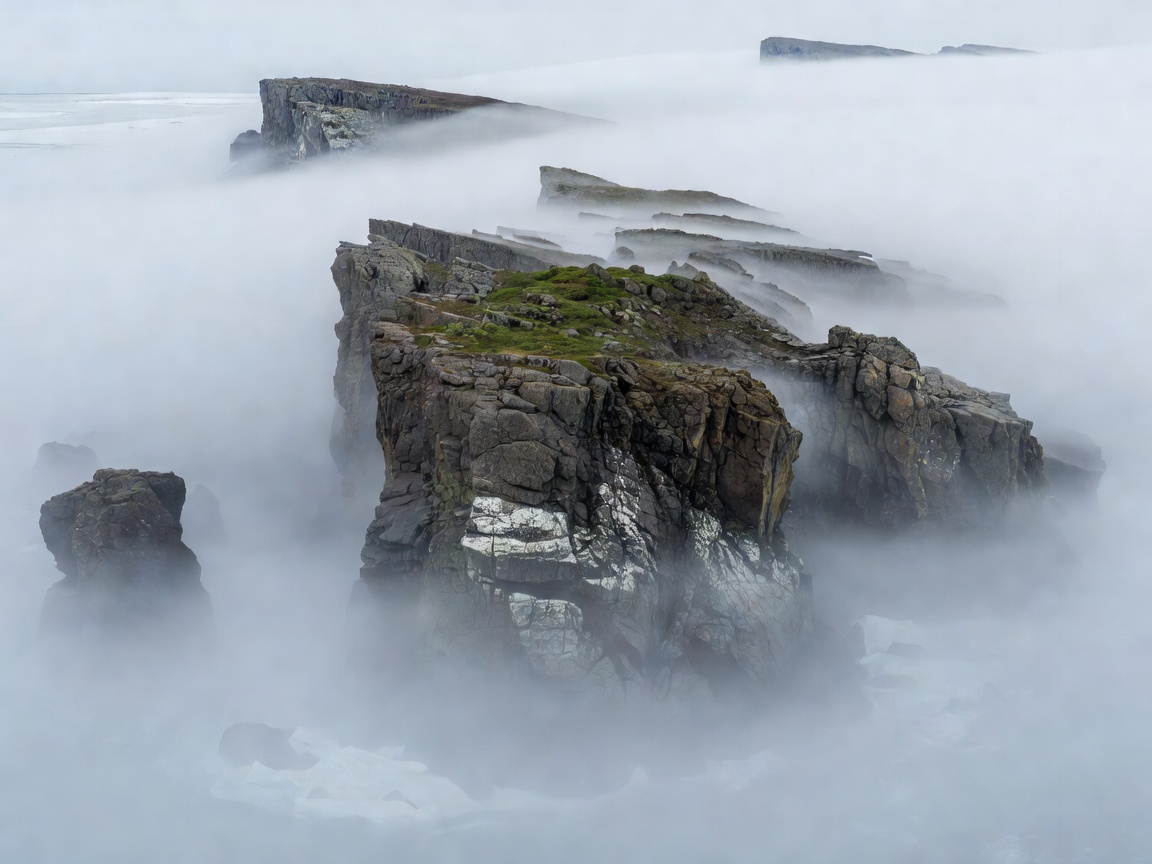
Isolated rocky Arctic island cliff emerging through dense fog
High-Latitude Outposts

Remote Arctic Outposts & Responsible Island Travel

Logistics and bio-security protocols for reaching isolated stations including Bear Island (Bjørnøya), Jan Mayen, and outer archipelagos.

Read Island Guide
Core Environmental Framework

Responsible Polar Exploration Standards

Operating above 68° North requires adherence to strict biosecurity measures, regional conservation acts, and international guidelines established by the Association of Arctic Expedition Cruise Operators (AECO) and the Governor of Svalbard (Sysselmesteren).

65% Of Svalbard’s land surface is protected across national parks and nature reserves.
500m Minimum mandatory exclusion distance when observing polar bears under new regulations.
4 Months Annual duration of total Polar Night in Longyearbyen between late October and mid-February.
0 Traces Strict leave-no-trace mandate across all biological, geological, and cultural heritage sites.